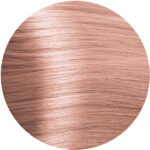
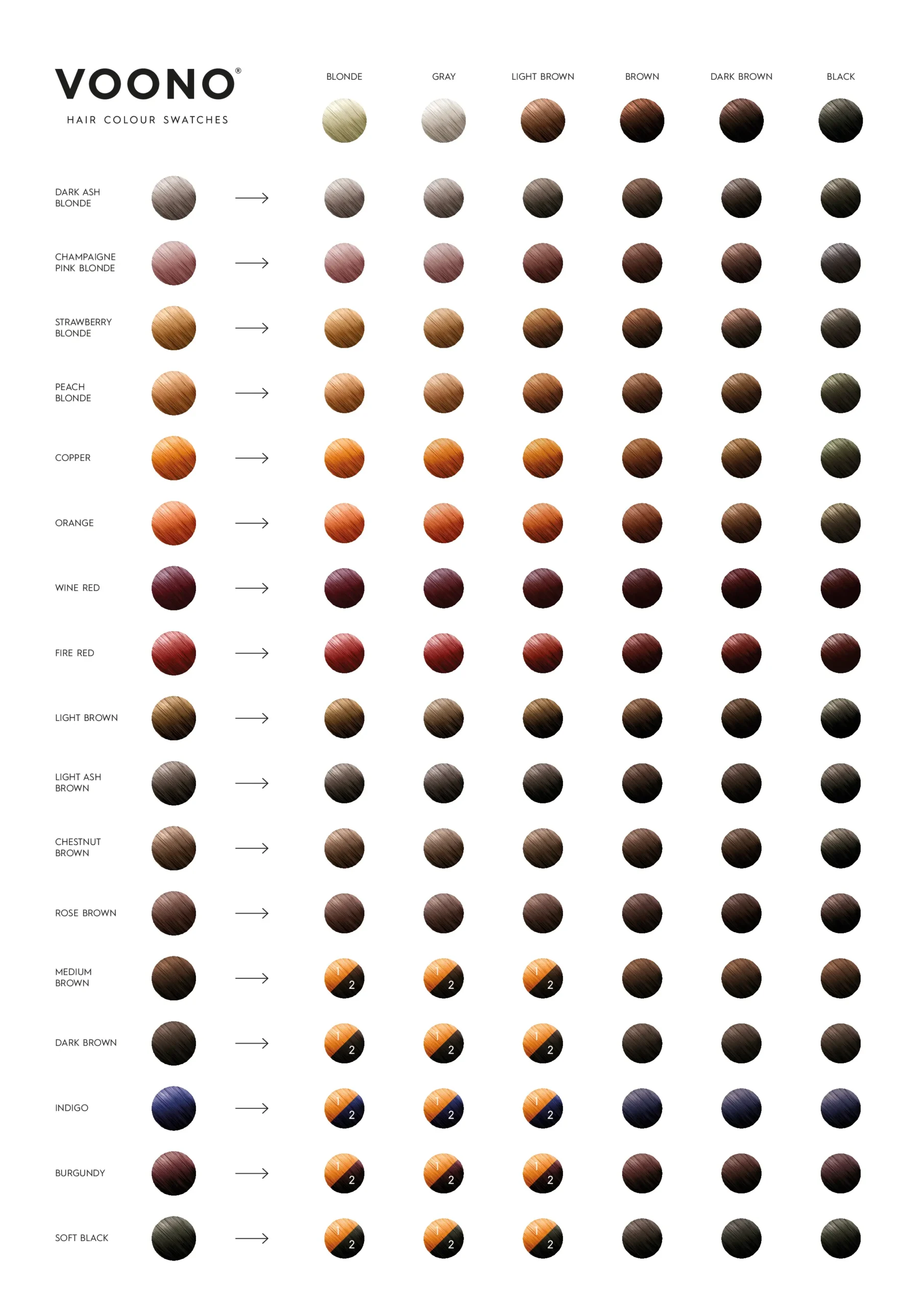
 Champagne Pink Blonde
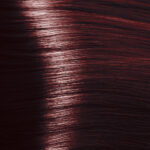 Burgundy
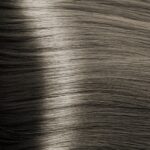 Cassia Obovata
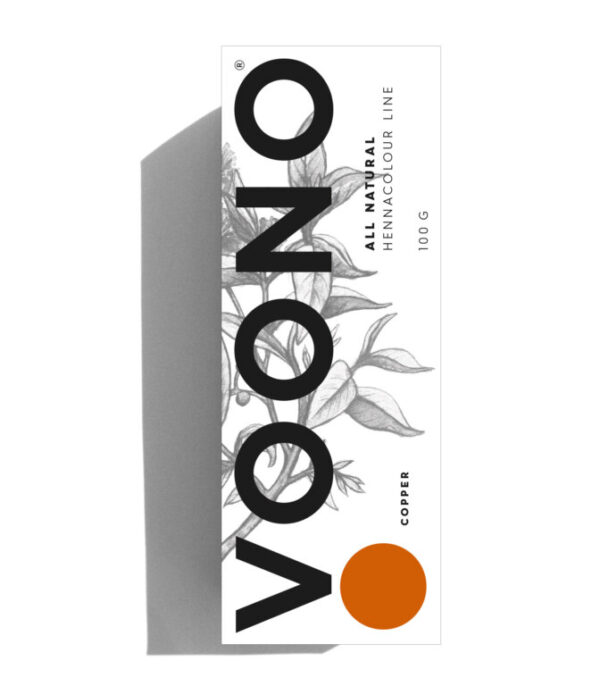
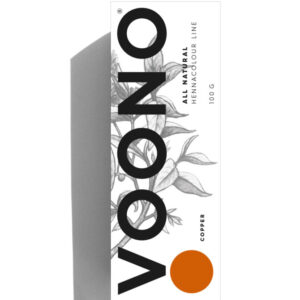
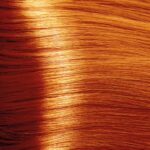 Copper
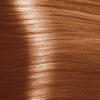 Peach blonde
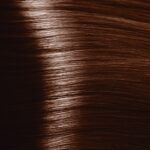 Chestnut
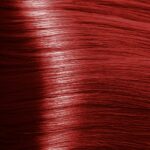 Fire red
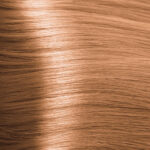 Pre-pigmentation colour
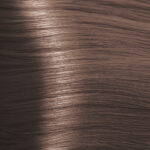 Light Ash Brown
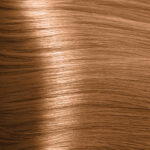 Strawberry blonde
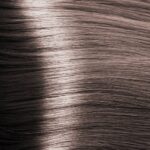 Dark Ash Blonde
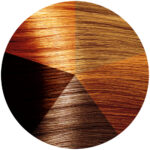 Mix at home by VOONO
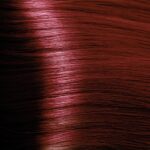 Wine Red
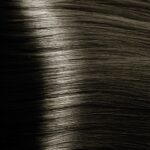 Henna Soft Black
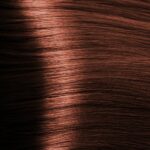 Henna Rose Brown
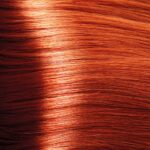 Orange
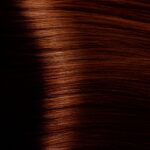 Henna Medium Brown
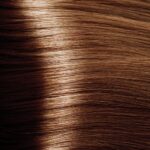 Henna Light Brown – HONEY
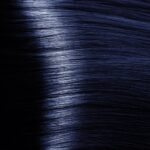 Indigo
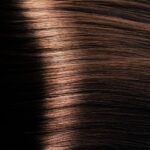 Dark Brown
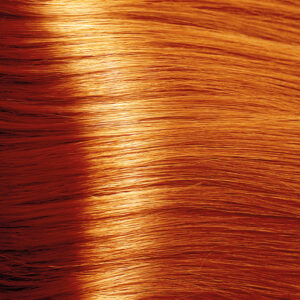
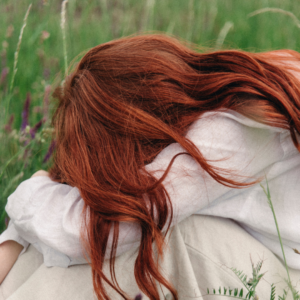
Compared to the darker shade of Orange, your hair will be more expressive, more radiant, absolutely fiery.
Suitable for: Compared to the darker Orange shade, your hair will be more vibrant, brighter, and truly fiery. This shade is ideal for anyone who desires an intense, lively orange colour. The colour can be easily lightened as needed.
Instructions: Mix the powder with water at a temperature of 60–90°C and apply to hair. Leave the colour on for 45 minutes to 2 hours to achieve the desired result. Detailed instructions can be found in the leaflet. The final shade will depend on your previous colour shade.
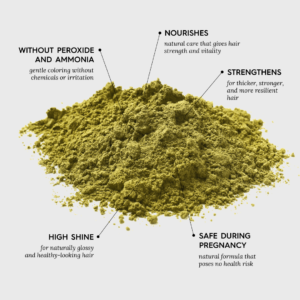
Ingredients: Lawsonia Henna – a natural ingredient that not only colours the hair but also regenerates and nourishes it.
WARNING: Before use, we recommend conducting a patch test on a small area of skin to rule out any allergic reactions. Avoid contact with eyes, keep out of reach of children and animals. For external use only.
Size: 100 g – one package is enough for medium-density hair up to shoulder length. Also available in a 500 g package.
Note: The colour without packaging does not include a cap and gloves. Don’t forget to use protective gear during application.

HOLDS WELL

INTENSIVE

COMPLETELY CHEMICAL FREE

NATURAL

SKIN-FRIENDLY

EASY TO MIX
We recommend waiting at least 3–4 weeks after your last chemical hair colouring before using a natural hair colour.
Apply the colour to washed, towel-dried, damp hair. Damp hair lets the paste spread evenly and helps the pigment absorb.
Do not use conditioner before colouring — it coats the hair and the colour then takes less well.
One 100 g pack is usually enough for medium-thick, shoulder-length hair. For longer or very thick hair, use two packs.
It is better to mix a little too much than to run out halfway through — you cannot stop and start again once the paste is on your hair.
Our colours contain no PPD, no ammonia and no peroxide — they are ground ayurvedic herbs and natural pigments.
Whether colouring is right for you personally is something we cannot judge. That is a question for your doctor or midwife, and we recommend asking them first.
And before you colour, do the patch test described in the leaflet.
No. Our colours are made purely from ground ayurvedic herbs and natural pigments — you will find no PPD, no ammonia and no peroxide in them.
That is usually the main reason people choose them, whether they avoid these substances on principle or simply have a more sensitive scalp.
Even so, we recommend doing the patch test described in the leaflet before your first use. Anyone can react to a plant ingredient.
Yes. Up to 30% grey, simply colour your hair with the shade you have chosen.
Above 30% grey it depends on the shade. For browns, Wine Red, Burgundy and blacks you need to pre-pigment first — colour the roots with Copper or with our Pre-pigmentation colour — and only then apply your chosen shade to the full length.
Blonde and red shades do not need pre-pigmentation. You will find the step-by-step process in the application video in our How to section.
Ideally every 3 to 5 weeks, and it does not have to be the full length every time — topping up the roots is often enough.
Plant colour does not mind more frequent colouring. Just watch for darkening: if you colour the full length every time, the shade gradually deepens.
Usually it comes down to one of two things: the colouring process was not followed exactly, or the hair care you use afterwards does not suit plant colour.
Use natural care without silicones and parabens. Watch out for oily natural shampoos and solid shampoo bars too — they can weigh the hair down and work against the colour.
After switching products the problem usually settles within two weeks. If it does not, write to us at info@voono.cz.
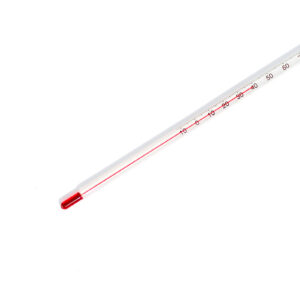
Water at 50 °C at most. Hotter water damages the plant pigments and the colour comes out weaker; cold water will not release them properly.
Judging it by eye is harder than it sounds — tap water often runs at over 55 °C. That is why we also sell a thermometer, which measures up to 90 °C.
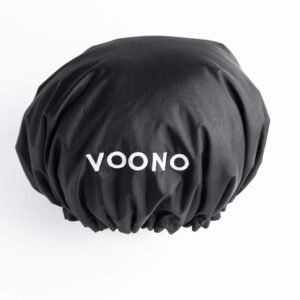
Once the colour is on, a thermo cap helps too — it holds the heat for the whole processing time, so the pigment absorbs evenly.