
SPF has long stopped being just something for a beach vacation. It belongs in your everyday skincare routine, whether it’s summer, winter, sunny, or overcast. But how do you make sense of what counts as classic SPF, natural SPF, and mineral SPF? Let’s break it down simply!
What does SPF mean?
SPF indicates the level of protection against UVB radiation, the kind mainly responsible for sunburn. But besides UVB, we also need to consider UVA radiation, which is linked to premature skin aging, pigmentation spots, and overall skin damage.
Classic SPF
Classic SPF is usually built on synthetic UV filters. They spread easily, often don’t leave a white cast, and tend to feel pleasant under makeup.
It might suit you if:
For more sensitive skin, though, it may not always be ideal, so it’s worth paying attention to how your skin reacts.
Natural SPF
Natural SPF puts an emphasis on a gentler formula and natural caring ingredients. It often combines sun protection with hydration, nourishment, and skincare.
A great example is the Natural SPF 30 Cream with Light Coverage, which protects against both UVA and UVB radiation, has a light tinting effect, and contains caring ingredients like hyaluronic acid and sea buckthorn.
It’s a good fit if you want:
Mineral SPF
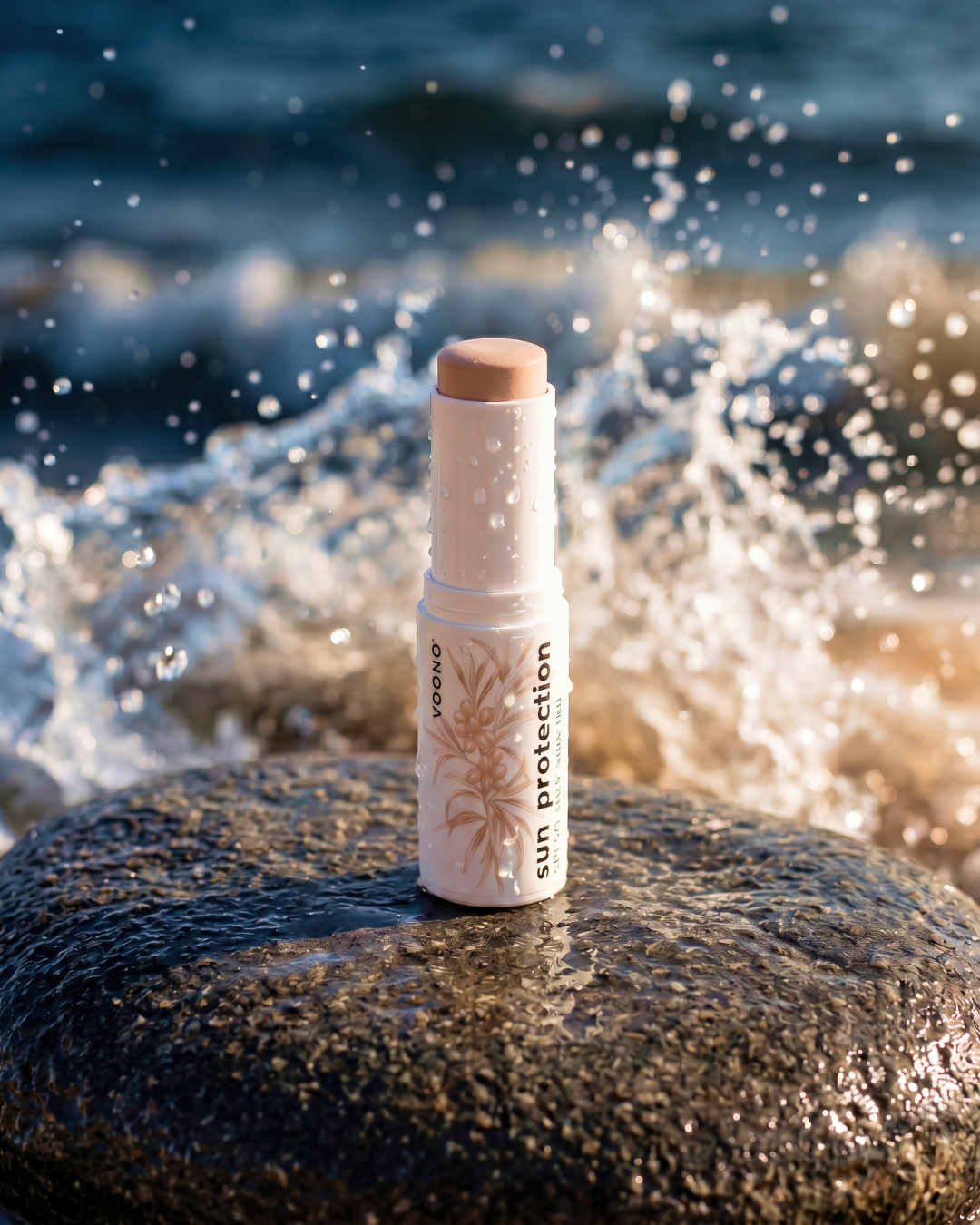
Mineral SPF uses mineral UV filters, most commonly zinc oxide or titanium dioxide. These create a protective layer on the surface of the skin and help reflect or scatter UV radiation. Mineral SPF is often popular for sensitive skin, since it works on the skin’s surface and tends to be well tolerated. A great travel companion is the Mineral Tinted SPF 50 Stick. It comes in practical packaging that fits easily into a bag, car, or suitcase, and it’s especially handy for quickly topping up SPF throughout the day.
SPF 30 cream, or SPF 50 stick? Whether you choose the cream, the stick, or a combination of both, the most important thing is to use SPF regularly. Your skin will thank you for it, not just in summer, but all year round.